

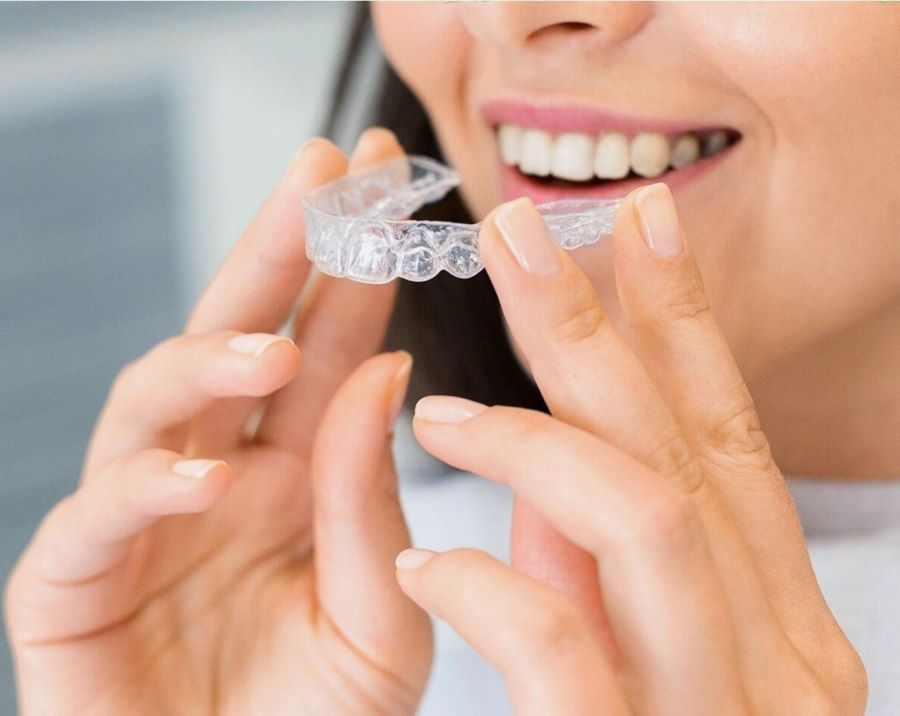
How Do Clear Aligners Work? A Patient’s Guide to Straightening Teeth in Pendleton
Many people want straighter teeth but feel uncertain about traditional metal braces. Clear aligners offer a discreet, removable approach that can fit into work, school, meals, and daily oral hygiene.
If you are researching clear aligners in Pendleton, IN, treatment involves more than receiving trays. It begins with an evaluation, digital records, and a personalized plan showing how specific teeth should move. Progress is monitored as you advance through the sequence.
Pendleton Smiles offers Dandy clear aligners supported by digital scans and personalized care. Understanding each stage can help you decide whether treatment may fit your smile goals, oral health needs, and routine.
What Are Clear Aligners?
Clear aligners are thin, transparent trays made to fit closely over your teeth. Instead of brackets and wires, they apply controlled pressure to guide selected teeth toward planned positions over time.
Treatment uses a sequence of trays. Each set represents another step, and you change to the next set as directed so the teeth continue moving gradually.
Although aligners are often chosen for their appearance, treatment may also address how the teeth fit together. Your goals and recommendations depend on a complete evaluation. Clear aligners can help with several types of alignment concerns, but they are not the most appropriate option for every patient.
How Do Clear Aligners Work?
Clear aligner treatment follows several planned steps. The details vary based on tooth position, bite, oral health, and treatment goals.
1. Consultation and Oral Health Evaluation
Your first appointment is an opportunity to discuss what you would like to change. The dentist evaluates your teeth, gums, bite, jaw relationships, and existing dental work to determine whether clear aligners may be appropriate.
Healthy teeth and gums provide an important foundation for tooth movement. Cavities, gum inflammation, or damaged restorations may need attention before treatment begins. Our preventive dentistry can help identify concerns that could affect your plan.
The consultation also considers whether you can wear removable trays consistently. The right choice must work clinically and practically.
2. Digital Scans and Records
If clear aligners appear suitable, detailed records are gathered. Our digital impression technology creates a three-dimensional model of your teeth without traditional putty-style molds. Photographs or diagnostic images may also be used when appropriate.
These records show your alignment and bite and provide the information needed to design the trays. Reviewing the images can also clarify the concerns being addressed and help you understand the proposed treatment plan. Pendleton Smiles confirms that its digital impression system creates a detailed three-dimensional model using a handheld scanning device.
3. A Personalized Treatment Plan
The dentist uses the digital model and examination findings to plan which teeth need to move, the intended direction, and the order of those movements.
The larger goal is divided into smaller stages. Each aligner supports a particular step in that sequence. Some plans may also use small tooth-colored attachments to help guide specific movements.
The number of trays and the movements planned will depend on the individual patient. Two people with similar-looking smiles may still require different treatment approaches because their bites, tooth positions, and oral health needs are different.
4. Wearing Your Aligners
The team explains how to insert, remove, and clean the aligners and when to change sets. A new tray should fit snugly and may create pressure as it guides the teeth.
Aligners only work while being worn. Most plans require them to remain in place for the majority of each day and to be removed mainly for meals, most beverages, brushing, and flossing. Follow your personalized schedule rather than changing trays early or reducing wear time on your own.
Temporary pressure can occur when starting a new set. Contact the team if a tray does not fit, becomes damaged, or causes an ongoing concern.
5. Progress Appointments
Clear aligner care requires professional monitoring. During progress visits, the dentist checks how the trays fit and whether the teeth are moving according to plan.
These appointments also address comfort, cleaning, wear habits, or a lost aligner. The plan may be adjusted if progress differs from expectations.
Bring your current aligners to appointments and avoid skipping ahead to a later set unless the dental team directs you to do so. Each tray is designed for a particular stage of the planned movement.
6. Retaining Your Results
After active movement is complete, a retainer may be recommended to help maintain the new tooth positions. Teeth can shift because the surrounding tissues need time to adapt.
Your dentist will explain whether you need a retainer, when to wear it, and how to care for it. Retainers are commonly used after active orthodontic treatment to help hold teeth in their corrected positions.
What Can Clear Aligners Address?
Clear aligners may help with mild to moderate crowding, unwanted spaces, crooked teeth, or certain bite relationships. A concern that looks simple may involve more complex movement when the full bite is evaluated.
Aligners are not automatically the best choice for every patient. Significant bite concerns, extensive tooth rotations, active oral health problems, or other factors may require a different approach. A consultation is the only reliable way to determine whether they are appropriate.
Dr. Julian Shamsaie has completed additional training in orthodontic clear aligners and can evaluate both the visible alignment of your smile and how your teeth function together.
What Is Daily Life With Clear Aligners Like?
The trays are removable, which can make treatment easier to incorporate into an active routine. That flexibility also creates daily responsibilities.
Eating and Drinking
Remove aligners before eating. Follow your dentist’s instructions about beverages while wearing them, since liquids other than plain water may become trapped against the teeth or discolor the trays.
Store aligners in their case rather than wrapping them in a napkin or placing them in a pocket. This helps prevent loss or damage.
Brushing, Flossing, and Cleaning the Trays
Because the trays are removable, you can brush and floss without fixed brackets or wires. Clean your teeth before replacing the aligners whenever practical.
Use the cleaning method recommended by the dental team. Hot water can distort some aligner materials, while abrasive products may scratch the surface.
Continuing dental exams and cleanings during treatment helps monitor your gums, enamel, and overall oral health. Removability can make normal brushing and flossing more straightforward, but it remains important to keep both your teeth and trays clean.
Getting Used to the Fit
You may notice temporary pressure or a slight speech change when you first begin treatment. Most patients adjust as they become familiar with the trays.
Aligners should feel secure rather than loose. Tell the team about sharp edges, cracks, persistent discomfort, or changes in fit. Do not trim or reshape an aligner without guidance.
Benefits and Responsibilities of Clear Aligners
Clear aligners are less noticeable than metal braces and can be removed for eating and oral hygiene, which many adults and teens find appealing. They are one of several treatments that may be considered as part of personalized cosmetic dentistry.
Removability means the patient plays a central role in progress. Inconsistent wear, lost trays, or changing sets without guidance can interfere with planned movement.
Patients must also clean the trays, attend progress visits, and follow instructions about wear time, attachments, and retention. The strongest experience comes from combining a thoughtful plan with consistent habits.
How Long Does Clear Aligner Treatment Take?
There is no single timeline for every patient. Treatment length depends on how many teeth need to move, the complexity of those movements, bite relationships, and how consistently the aligners are worn.
A smaller concern may need fewer stages than a case involving several areas of crowding or bite correction. Timing can change if trays are not worn as directed.
After your examination and digital scan, the dentist can outline the anticipated steps and provide a personalized estimate. This should be viewed as a guide rather than a guaranteed completion date. The number of aligners and overall treatment time vary according to the movements required for each patient.
Are Clear Aligners Right for You?
You may be a potential candidate if you want to improve tooth alignment, have healthy teeth and gums, and can follow a consistent wear schedule. Clear aligners may be especially appealing if you prefer a removable option and want to maintain normal brushing and flossing.
Candidacy depends on a full evaluation. Decay, gum concerns, previous dental work, missing teeth, and the required movements can influence the recommendation.
A clear aligner consultation provides a personalized explanation of your options without assuming one solution is right for everyone. Patients preparing for their first appointment can review our new patient information before arriving.
Clear aligners straighten teeth through a planned series of custom trays. Treatment includes an oral health evaluation, digital scanning, personalized planning, consistent wear, progress visits, and retention after active movement. Although the trays are discreet and removable, results depend on wearing them as directed and maintaining professional monitoring.
For patients exploring clear aligners in Pendleton, IN, Pendleton Smiles provides digital planning and guidance based on your smile, bite, oral health, and goals.
Contact Pendleton Smiles to schedule a clear aligner consultation.
Frequently Asked Questions About Clear Aligners
Do clear aligners hurt?
They can cause temporary pressure or tenderness, particularly when you begin a new set. Contact the dental team if discomfort is severe, persistent, or related to a damaged tray.
Can I eat while wearing clear aligners?
No. Remove your aligners before eating and store them safely in their case. Follow your dentist’s guidance about beverages while the trays are in place.
How many hours a day should I wear clear aligners?
Aligners generally need to be worn for most of the day. Follow the exact schedule given for your treatment rather than relying on a general recommendation.
Can clear aligners fix every crooked tooth or bite problem?
No. They can address many alignment concerns but are not appropriate for every case. Your dentist must evaluate your teeth, bite, oral health, and required movements.
What should I do if I lose an aligner?
Contact the dental team before moving to another tray or returning to an older one. The correct step depends on your place in the treatment sequence.


